Face PRP Treatment Karachi
Natural Growth-Factor Skin Revival

Face PRP Treatment in Karachi

Rebuild collagen, erase fine lines, and achieve a luminous complexion using your body’s own platelet-rich plasma — a 60-minute non-surgical facial at Abdullah Clinics.
45–60
Min / Session
3–4
Sessions
4–6 Wks
Results Onset
24–48 Hr
Recovery
Topical
Anaesthetic
+40%
Collagen Boost
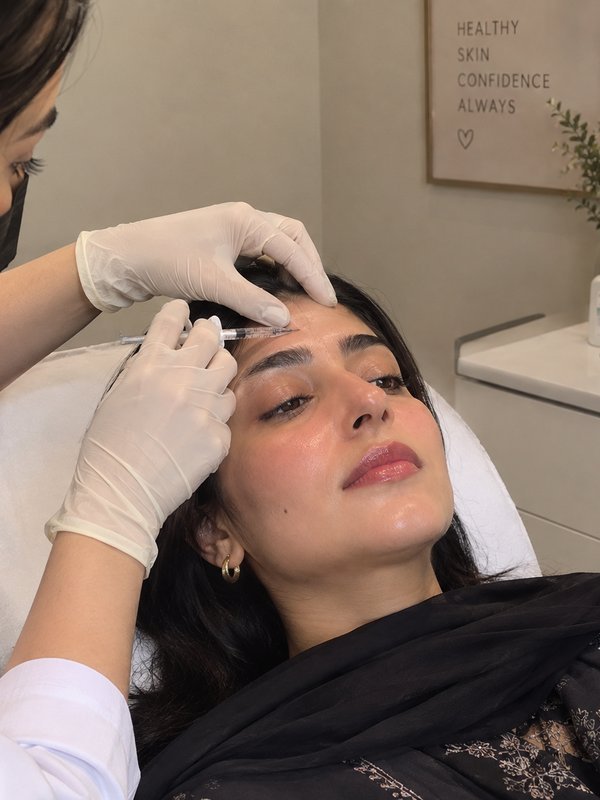
Woman receiving Face PRP in Karachi at Abdullah Clinics
What Is It?

The Science Behind Face PRP

Platelet-Rich Plasma (PRP) concentrates your blood’s growth factors — PDGF, TGF-β, VEGF — and injects them into the dermis to trigger collagen synthesis, accelerate cell turnover, and improve skin texture from within.

Unlike creams or lasers, Face PRP works at the cellular level. Clinical studies confirm a 35–40% increase in collagen density after 3 sessions, with improvements lasting 12–18 months.

Indications

Skin Concerns Face PRP Corrects

Fine Lines & Wrinkles

Crow’s feet, forehead lines, and lip lines soften as collagen and elastin production recovers over 4–6 weeks.

Dullness & Fatigue

Pollution and Karachi’s harsh UV degrade skin radiance. PRP’s growth factors restore healthy cell turnover and glow.

Uneven Tone & PIH

Post-inflammatory hyperpigmentation from acne or sun damage is reduced as PRP regulates melanocyte activity.

Acne Scars

Rolling and boxcar scars respond well to PRP combined with microneedling — fibroblast activity fills depressed areas.

Skin Laxity

Loss of firmness in the jawline, cheeks, and neck improves as PRP stimulates dermal collagen scaffolding.

Under-Eye Hollows

Tear troughs and dark circles from thin periorbital skin improve with carefully placed PRP micro-injections.

The Procedure

Your Session, Step by Step

1
Topical Numbing — EMLA cream is applied to your face 30–45 min before treatment. This makes the injections virtually painless.
2
Blood Draw — 10–15 ml of blood from the forearm is drawn; the process takes 2–3 minutes.
3
Centrifugation — Your sample is spun at 1,500–3,000 RPM for 8–12 minutes, separating the platelet-rich layer.
4
PRP Injections — Ultra-fine 30-gauge needles deliver PRP at 1–2 cm intervals across treatment zones. 30–45 minutes total.
5
Micro-Massage — Gentle massage distributes the PRP evenly and stimulates further platelet release.
6
Aftercare Briefing — Written aftercare: no makeup 12 hr, avoid direct sun 48 hr, use SPF 50 daily going forward.
Clinical Evidence

Research Supporting Face PRP

Elnehrawy et al. (2018) — J Cosmet Dermatol

Statistically significant improvement in wrinkle depth, skin elasticity, and hydration 3 months post-treatment in 30 patients.

Ulusal (2017) — Aesthetic Surgery Journal

PRP for periorbital rejuvenation: measurable improvement in skin thickness and reduction in tear-trough severity scores.

Aguilar-Bernier et al. (2021)

Randomised controlled trial confirming PRP superiority over saline for global facial rejuvenation at 6-month follow-up.

Gold Standard Protocol

Abdullah Clinics follows the LeChat-Maitre double-centrifugation protocol for maximum platelet concentration (5–7× baseline).

Your Care Team

Meet Your Specialist

Every treatment at Abdullah Clinics is carried out or supervised by a qualified dermatologist — not a technician. Our female doctors provide a private, comfortable consultation environment tailored for women.

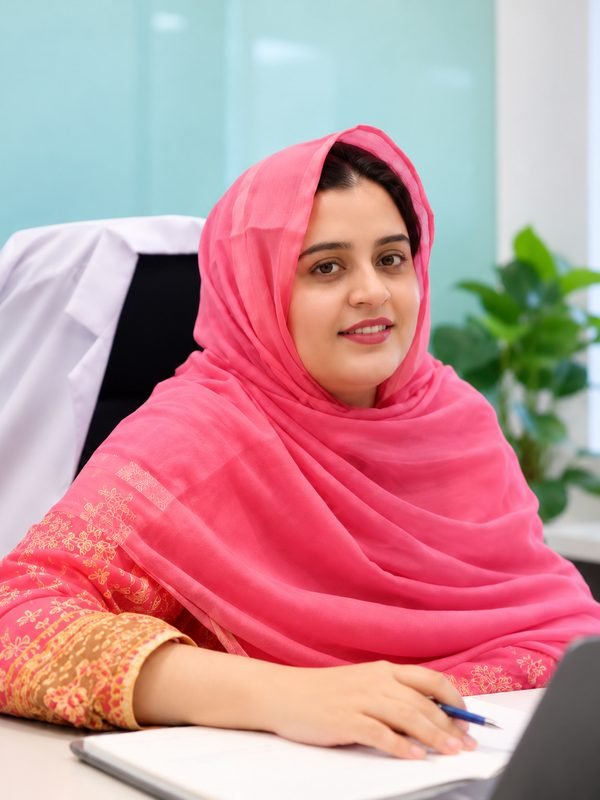
Dr. Bushra — Dermatologist, Abdullah Clinics Karachi

Dr. Bushra

Consultant Dermatologist

Dr. Sabahat — Dermatologist, Abdullah Clinics Karachi

Dr. Sabahat

Skin & Aesthetics Specialist
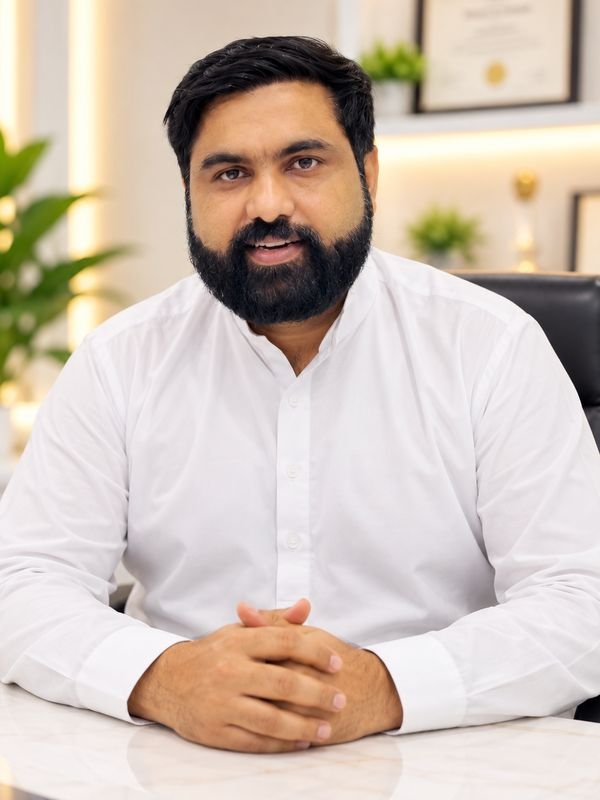
Dr. Khaliq — Hair & Skin Consultant, Abdullah Clinics

Dr. Khaliq

Hair & Skin Consultant

Abdullah Clinics Reception — Karachi

Our Clinic

Phase 6, DHA Karachi

Comparison

Face PRP vs Other Facial Treatments

FeatureFace PRPBotoxHydraFacialChemical PeelExosomes
MechanismCollagen induction via growth factorsMuscle relaxationCleansing + hydrationChemical exfoliationCell-level gene signalling
Downtime24–48 hrNoneNone3–7 days12–24 hr
Results Duration12–18 months3–6 months2–4 weeks1–3 months18–24 months
Best ForAnti-ageing, scars, dullnessLines from movementDeep cleansing, congestionPigmentation, textureAdvanced rejuvenation
Natural/Autologous✓ Your own bloodNeurotoxinSerum-basedChemical acidDonor cell vesicles
FAQ

Frequently Asked Questions

Is Face PRP painful?
Topical numbing cream applied 30–45 minutes before the procedure makes Face PRP well-tolerated. Most patients feel mild pressure or a slight tingling. Discomfort is minimal and resolves within minutes of the session ending.
How many sessions do I need?
The standard protocol for facial rejuvenation is 3 sessions, spaced 4 weeks apart. Acne scarring typically requires 4–6 sessions for best results. Maintenance sessions every 6–12 months sustain the improvements long-term.
Is Face PRP halal?
Face PRP is an autologous procedure — only your own blood is used, with no foreign biological material. Most Islamic scholars classify it as permissible (mubah) for therapeutic and cosmetic medical use. It does not break the fast and can be performed during Ramadan.
When will I see results?
Skin brightness and texture often improve within 2 weeks of the first session. Collagen rebuilding peaks at 4–6 weeks after each session. Full results from a complete 3-session course are typically visible by the 3-month mark.
Can I wear makeup after Face PRP?
Avoid makeup for the first 12 hours to allow the micro-channels to close and the PRP to absorb properly. After 12 hours, gentle mineral makeup is fine. Heavy coverage products and brushes are best avoided for 24 hours.
Can Face PRP be combined with other treatments?
Yes. Face PRP is commonly combined with microneedling (for deeper penetration into acne scars), HydraFacial (cleanse first, then PRP), and Exosome therapy for synergistic anti-ageing results. Your dermatologist will design a combined protocol if appropriate.
Is there downtime?
Mild redness and slight swelling appear immediately after and resolve within 24–48 hours. Most patients return to work the following day. Avoid heavy exercise, saunas, and direct sun for 48 hours post-treatment.
Who is NOT suitable for Face PRP?
Face PRP is not recommended for active acne, active skin infections, very low platelet count, blood clotting disorders, pregnancy or breastfeeding, and patients on anticoagulant therapy. A thorough consultation determines candidacy.

Reveal Your Skin’s Best Version

Book a free consultation at Abdullah Clinics in Karachi. Our female dermatologists assess your skin type, design a personalised PRP protocol, and walk you through every step — in a private, comfortable environment.