Mole Removal Karachi — Abdullah Clinics
Safe, Scar-Minimal Dermatological Removal

Mole Removal in Karachi

Safe, precise removal of moles, skin tags, warts, and pigmented lesions with same-day results and minimal scarring — performed by consultant dermatologists at Abdullah Clinics, Karachi.
15–45
Min / Lesion
Same Day
Results
3–7 Days
Healing
Local
Anaesthetic
Minimal
Scarring
Histo
Testing Available
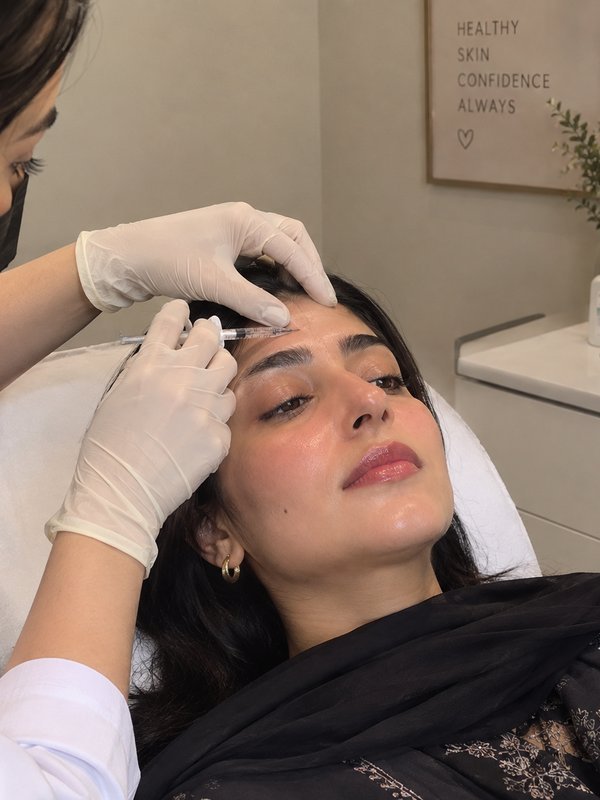
Mole and skin lesion removal for women at Abdullah Clinics Karachi
Overview

Why Dermatologist-Led Removal Matters

Not all moles are alike. Some are benign congenital nevi; others carry low-level risk that warrants histopathology. Attempting removal without a proper dermatological assessment — particularly with laser or “home remedy” methods — risks incomplete removal, scarring, and missed atypical features.

At Abdullah Clinics, every lesion is assessed with dermoscopy before a removal method is selected. Suspicious lesions are sent for histopathology. This is the standard of care — not an upsell.

Safety First

ABCDE Melanoma Screening

⚠ Before any removal, every mole is dermoscoped for these warning signs:
LetterSignWarning Feature
AAsymmetryTwo halves do not mirror each other
BBorderIrregular, ragged, notched, or blurred edges
CColourMultiple shades — brown, black, red, white, or blue within one lesion
DDiameterLarger than 6 mm (size of a pencil eraser)
EEvolutionAny change in size, shape, colour, or new symptoms (bleeding, itching)
Lesion Types

What We Remove

Melanocytic Nevi (Moles)

Common brown or black lesions from melanocyte clusters. Removed by shave excision or surgical excision depending on depth and size.

Skin Tags (Acrochordons)

Soft, pedunculated growths on eyelids, neck, armpits, groin. Removed by RF cautery or surgical snip in minutes with no scarring.

Seborrhoeic Keratoses

Waxy, “stuck-on” brown or black plaques common after age 40. Treated with cryotherapy or RF ablation in a single session.

Warts (Verrucae)

HPV-induced growths on hands, feet, face. Treated with cryotherapy, salicylic acid protocol, or RF cautery based on type and location.

Dermatofibromas

Firm, raised nodules usually on the legs — often mistaken for moles. Shave or surgical excision. May require histopathology for confirmation.

Xanthelasmas & Milia

Cholesterol deposits (xanthelasmas) near the eyes and small keratin cysts (milia) are treated with RF microablation for a clean result.

Removal Techniques

Methods Used at Abdullah Clinics

RF (Radio-Frequency) Cautery

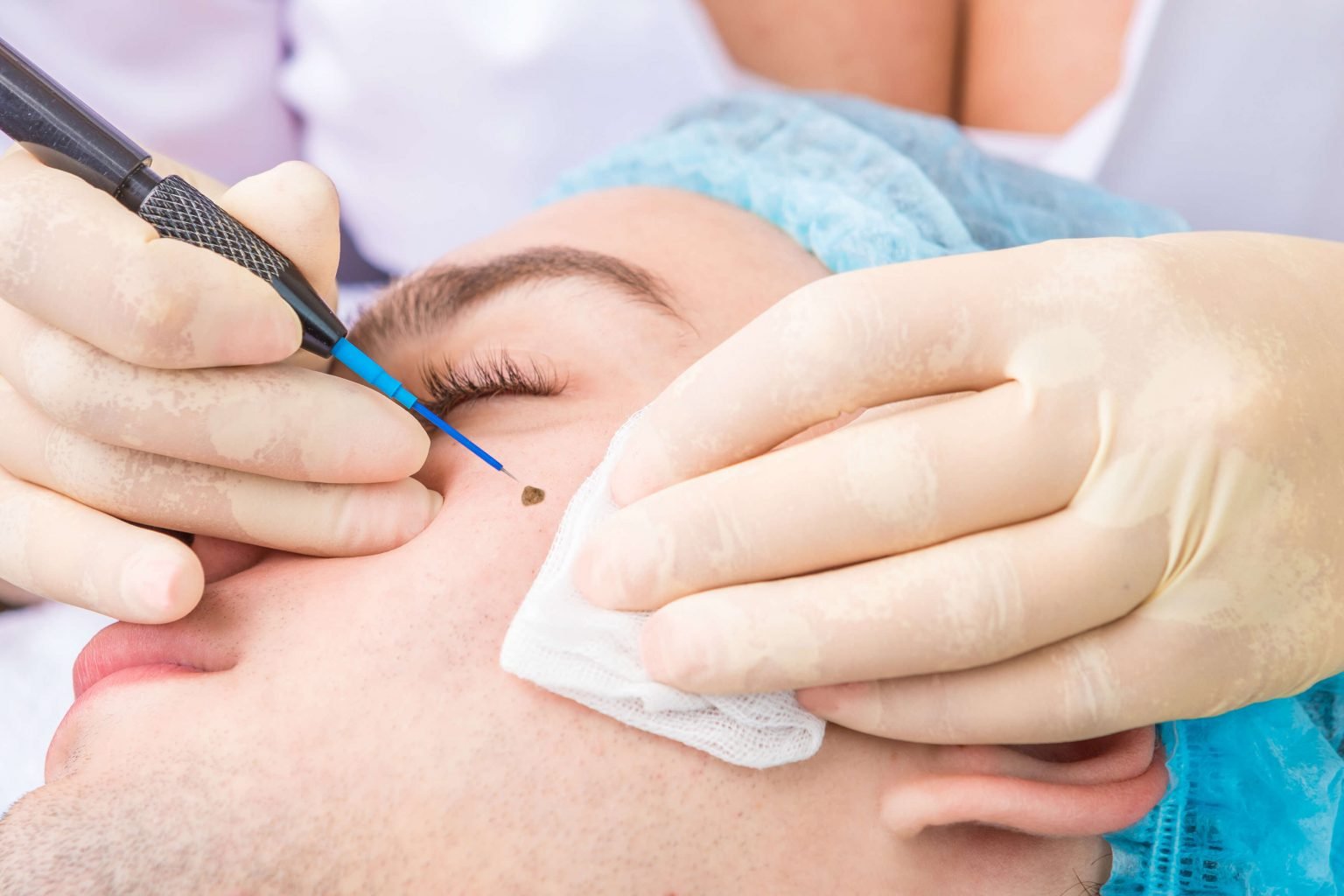
High-frequency electrical current vaporises soft tissue lesions (skin tags, warts, superficial moles) with minimal thermal spread, excellent haemostasis, and very low scarring risk.

Shave Excision

A dermal curette or surgical blade shaves raised lesions flush with the skin surface under local anaesthetic. Tissue can be sent for histopathology. Results in a flat scar that fades in 3–6 months.

Surgical Excision

For deep or suspicious moles, an elliptical excision under local anaesthetic removes the full-thickness lesion with a margin. Wound closed with sutures. Tissue sent routinely for histopathology.

Cryotherapy

Liquid nitrogen (-196°C) freezes warts, keratoses, and small flat moles. 1–3 treatment cycles of 10–30 seconds each. The frozen tissue sloughs off over 1–3 weeks.

Your Care Team

Dermatologist-Led Care

Mole removal at Abdullah Clinics is performed only by qualified dermatologists — never delegated to technicians. Histopathology referral is arranged for any lesion with atypical features, ensuring your safety comes first.

Dr. Bushra — Dermatologist Karachi

Dr. Bushra

Consultant Dermatologist

Dr. Sabahat — Skin Specialist Karachi

Dr. Sabahat

Skin & Aesthetics Specialist

Dr. Khaliq

Dr. Khaliq

Dermatology Consultant

Abdullah Clinics DHA Karachi

Our Clinic

Phase 6, DHA Karachi

FAQ

Mole Removal FAQs

Will mole removal leave a scar?
All removal methods leave some trace, but the extent depends on technique. RF cautery and shave excision on raised lesions produce flat, pink marks that fade to skin colour in 3–6 months on most skin types. Surgical excision leaves a linear scar that is smaller than the original lesion. Your dermatologist will advise on the least-scarring appropriate method and post-care to optimise healing.
Is mole removal painful?
Local anaesthetic (lignocaine injection) makes the procedure essentially painless. You may feel the initial injection sting for 5–10 seconds. RF cautery and cryotherapy on small lesions can be done without anaesthetic for very brief applications. Post-procedure, mild tenderness for 1–3 days is normal.
Can moles grow back after removal?
A mole removed with complete excision (surgical or deep shave) will not recur. Superficial shave excision that leaves the base of a mole may see a lighter pigmented mark return over months — this is not dangerous but may need a second treatment. Your dermatologist will select a method matched to the lesion depth.
Is mole removal with laser safe in Karachi’s climate?
Laser is not used for primary mole removal at Abdullah Clinics because it destroys tissue rather than excising it — histopathology cannot be performed on laser-treated tissue, so atypical features would be missed. Laser may be used for post-removal scar lightening after histopathology results confirm the lesion’s benign nature.
How many moles can be removed in one session?
Multiple skin tags and small benign lesions can typically be removed in a single session — there is no strict limit for minor lesions. For multiple moles requiring excision and histopathology, your dermatologist may schedule 2–3 per session to allow proper assessment and wound care. Consultation confirms the plan.
Do I need histopathology for every mole?
Not necessarily. Clearly benign lesions (soft skin tags, typical seborrhoeic keratoses) do not require histopathology. Any mole with ABCDE features, changing behaviour, or deep removal does require it. Your dermatologist uses dermoscopy to decide — if there is any clinical doubt, histopathology is arranged routinely.
How long is aftercare?
Most removal sites heal in 7–14 days. Keep the area clean and dry, apply the prescribed antibiotic ointment twice daily, and cover with a small dressing for 3–5 days. Avoid direct sunlight on the healing area for 4 weeks — a fresh scar is at high risk for post-inflammatory hyperpigmentation, especially on darker skin. SPF 50 is essential.
Is mole removal halal?
Removal of moles for medical reasons (suspicious appearance, irritation from clothing/jewellery) or cosmetic reasons is generally considered permissible under Islamic jurisprudence, provided there is no deception about one’s natural appearance and the procedure is performed by a qualified physician. Consult your scholar if you have specific concerns.

Read our guide to mole removal in Karachi: when to remove, methods and what to expect.

Have a Mole Checked or Removed Safely

Book a mole assessment at Abdullah Clinics in Karachi. Our dermatologists dermoscope every lesion before recommending removal — because your safety matters more than a quick procedure.